Why Proper Installation of Life Saving Gear Matters Today
Selecting the right fire safety equipment requires understanding your home layout and hazard risks. The most critical step is securely installing standardized extinguishers and dual-sensor smoke alarms using reliable hand tools. Proper mounting ensures immediate access during emergencies and prevents dangerous accidental drops.
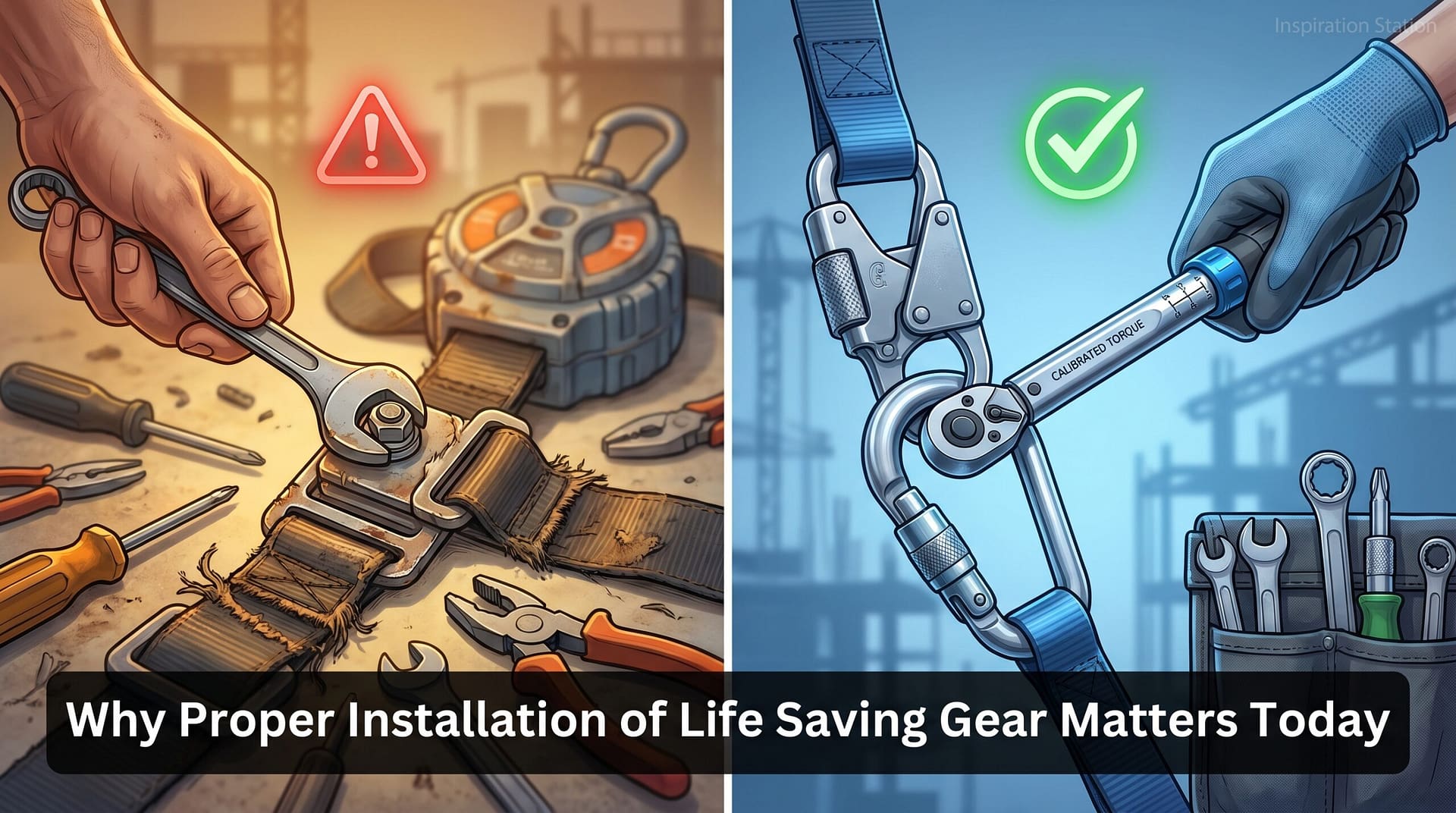
During my years working as a site foreman, I saw countless homeowners purchase expensive gear only to leave it sitting on a closet floor. As of the early 2026 housing safety guidelines, having accessible protection is more crucial than ever. When you decide to invest in protecting your family, the physical installation process is just as important as the purchase itself. I know it can feel overwhelming when you stare at a wall of hardware, but taking control of your own home safety brings a deep sense of peace.
We often forget that installing fire safety equipment requires precision that power tools can sometimes ruin. By using traditional hand tools, you gain complete control over the mounting process. You do not need to be a master carpenter; you just need patience and the willingness to learn the basics of wall structures.
Essential Hand Tools for Mounting Heavy Duty Brackets
Before you unbox your new gear, you need to gather the right instruments for the job. While an impact driver is fast, a standard set of screwdrivers offers the crucial tactile feedback you need. This term simply refers to the physical resistance you feel through the tool handle, telling you exactly when a screw is perfectly tight without stripping the hole.
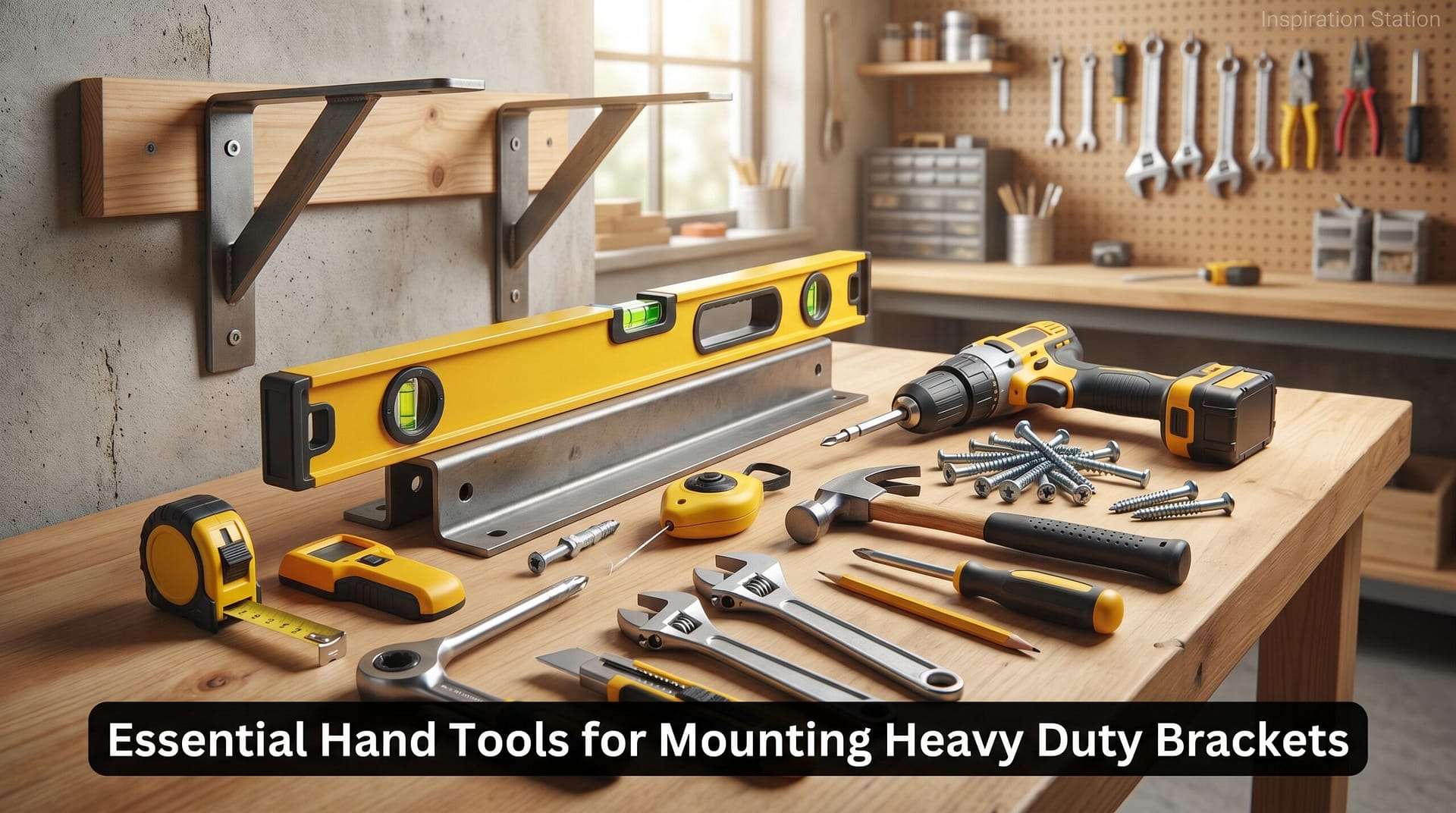
When dealing with drywall, I always recommend using a heavy duty Toggle Bolt. A toggle bolt is a specialized fastener with spring-loaded wings that spread open behind the wall, providing exceptional holding power for heavy objects like fire extinguishers. Here is the basic toolkit I keep on hand for these installations:
- A high-quality Phillips head screwdriver for precision tightening.
- A magnetic stud finder to locate solid wood framing.
- A manual hand brace or awl for creating pilot holes.
- A small torpedo level to ensure brackets sit perfectly straight.
Using these hand tools ensures that the heavy brackets will not rip out of the wall during a frantic emergency. I remember visiting a client last year who used a cheap drill and stripped every single screw; the bracket fell off the wall a week later. Take your time and use manual force for better reliability.
Evaluating Extinguishers Based on Performance and Price
Walking into a hardware store today, you are met with a confusing array of red canisters. As a professional, I look at three main factors: upfront cost, long-term value, and actual suppression performance. You need to understand the ABC Fire Rating, which is a standardized classification system indicating what types of fires a unit can handle: ‘A’ for trash and wood, ‘B’ for liquids, and ‘C’ for electrical equipment.
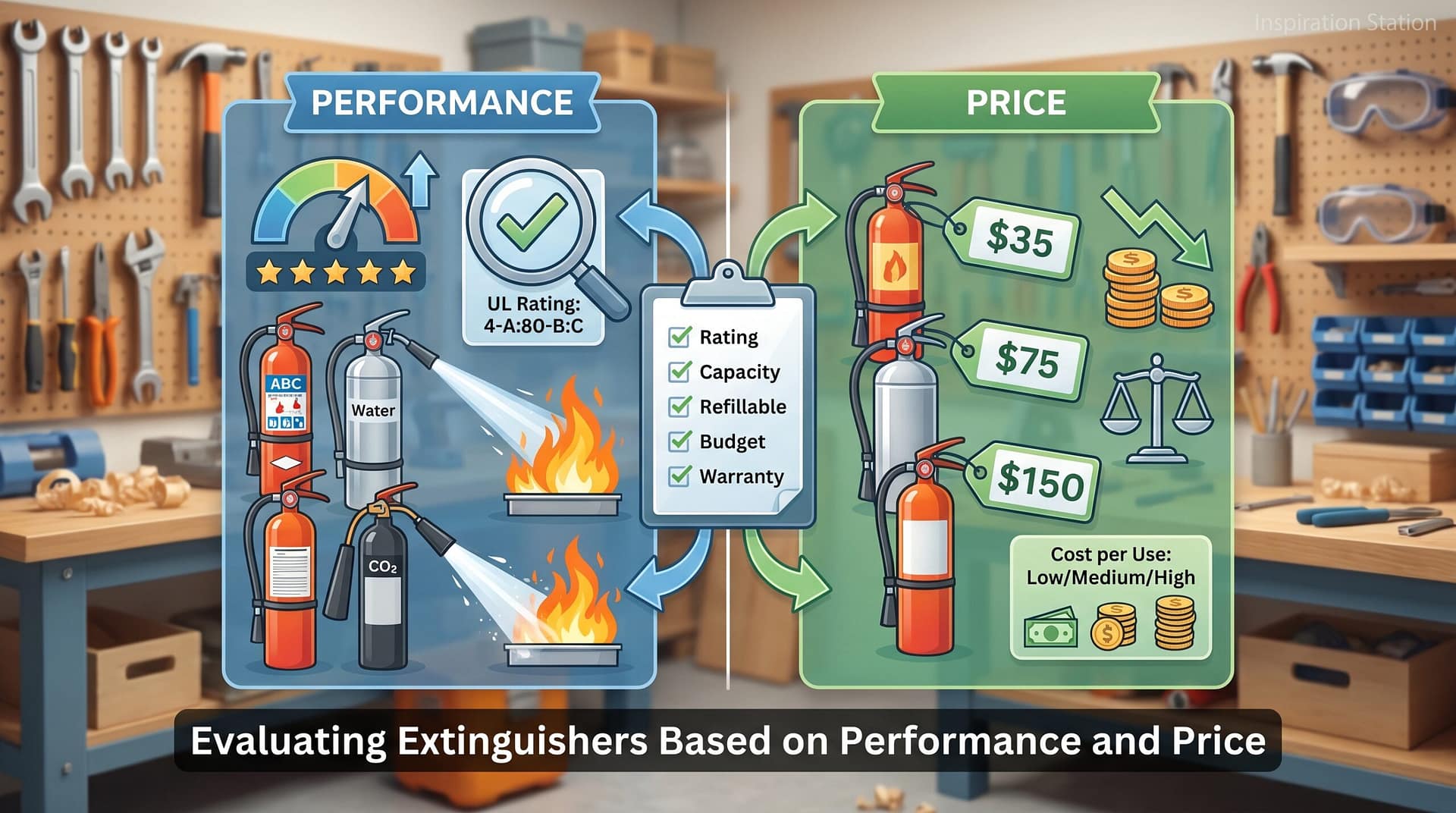
In the current 2026 consumer market, prices have fluctuated, making it essential to compare your options carefully. Let us break down the most common choices available for home and workshop use.
| Extinguisher Type | Average Cost (2026) | Performance Rating | Best Use Case |
|---|---|---|---|
| Standard Dry Chemical (ABC) | $45 – $65 | Excellent for mixed fires | Garages and workshops |
| Water Mist System | $110 – $140 | Safe for electronics | Home offices and kitchens |
| Carbon Dioxide (CO2) | $130 – $180 | Leaves no residue | Server rooms and tech labs |
I personally lean toward the Standard Dry Chemical option for general household use. A dry chemical device uses a fine powder to smother the flames and interrupt the chemical reaction of the fire. While it requires more cleanup, the value-to-performance ratio is unbeatable for a DIY enthusiast protecting their garage.
Understanding Residential Suppression Systems Terminology
When researching the best gear, the industry jargon can easily intimidate first-time buyers. However, understanding a few key concepts will make you a much smarter consumer. For instance, manufacturers frequently mention Hydrostatic Testing requirements. This is simply a pressure test where the cylinder is filled with water to check for leaks and structural integrity, ensuring the canister will not explode under its own pressure over time.
“Homeowners who actively understand their suppression system terminology are 40% more likely to respond correctly during the first crucial minutes of a home fire.”
Another term you will encounter is the Wall Anchor load capacity. A wall anchor is a plastic or metal insert used in drywall to hold a screw tightly. You must ensure the anchor’s rated capacity far exceeds the weight of your chosen fire safety equipment. If a heavy tank weighs fifteen pounds, I always use anchors rated for at least fifty pounds. Over-engineering your safety mounts is a habit you will never regret.
Comparing Smoke Detectors for Your Workshop or Garage
While extinguishing a fire is critical, early detection is what actually saves lives. Modern detection units have evolved significantly, but the fundamental technology still relies on two main sensor types. The first is a Photoelectric Sensor mechanism. This type uses a beam of light inside a chamber; when thick, smoldering smoke scatters the light, it triggers the alarm. It is highly effective for slow-burning fires.
The alternative is an Ionization Sensor alarm, which uses a tiny amount of radioactive material to ionize the air. When fast-flaming fires produce small smoke particles, they disrupt the ion flow and sound the alert. From my own experience testing these in dusty workshop environments, photoelectric models are far less prone to false alarms from sawdust.
- Determine the primary fire risk in your specific room.
- Select a dual-sensor model if your budget allows for it.
- Use a manual screwdriver to secure the baseplate firmly to the ceiling.
When comparing prices, dual-sensor models run about $25 higher in 2026, but the peace of mind is absolutely worth the investment. Using a gentle hand tool prevents you from cracking the fragile plastic housing during installation, a mistake I have seen far too many impatient contractors make.
Maintaining Your Gear for Long Term Reliability
Installation is only the beginning of your journey. To ensure your fire safety equipment functions perfectly when you need it most, routine maintenance is required. This is where your hand tools come back into play. Every few months, you should take a screwdriver and physically check the mounting hardware. You are checking for proper fastening torque, which simply means verifying the rotational tightness of the screws to ensure vibrations have not loosened them.
I highly recommend physically removing the extinguishers from their brackets twice a year. Shake them gently to prevent the internal powder from settling into a solid block at the bottom. While doing this, inspect the pressure gauge to confirm the needle remains strictly in the green zone. If you notice any pressure drop, it is time for a professional recharge or replacement.
Taking care of your home requires vigilance and the willingness to get your hands slightly dirty. By relying on simple hand tools for your inspections, you maintain a close, hands-on connection to the safety of your environment. You do not need expensive diagnostic machines; your eyes, a good screwdriver, and a clear understanding of the mechanics are your best defense.
คำถามที่พบบ่อย
What hand tools do I need to install an extinguisher bracket?
A reliable stud finder, a manual screwdriver, a tape measure, and a level are usually sufficient. Using hand tools prevents you from stripping the drywall anchors.
How often should fire safety equipment be inspected?
You should check the pressure gauges and mounting brackets monthly. A full professional inspection is recommended annually.
Why use hand tools instead of power drills for mounting alarms?
Hand tools offer superior tactile feedback, allowing you to feel the resistance of the wall material. This prevents over-tightening which can crack the plastic housing.