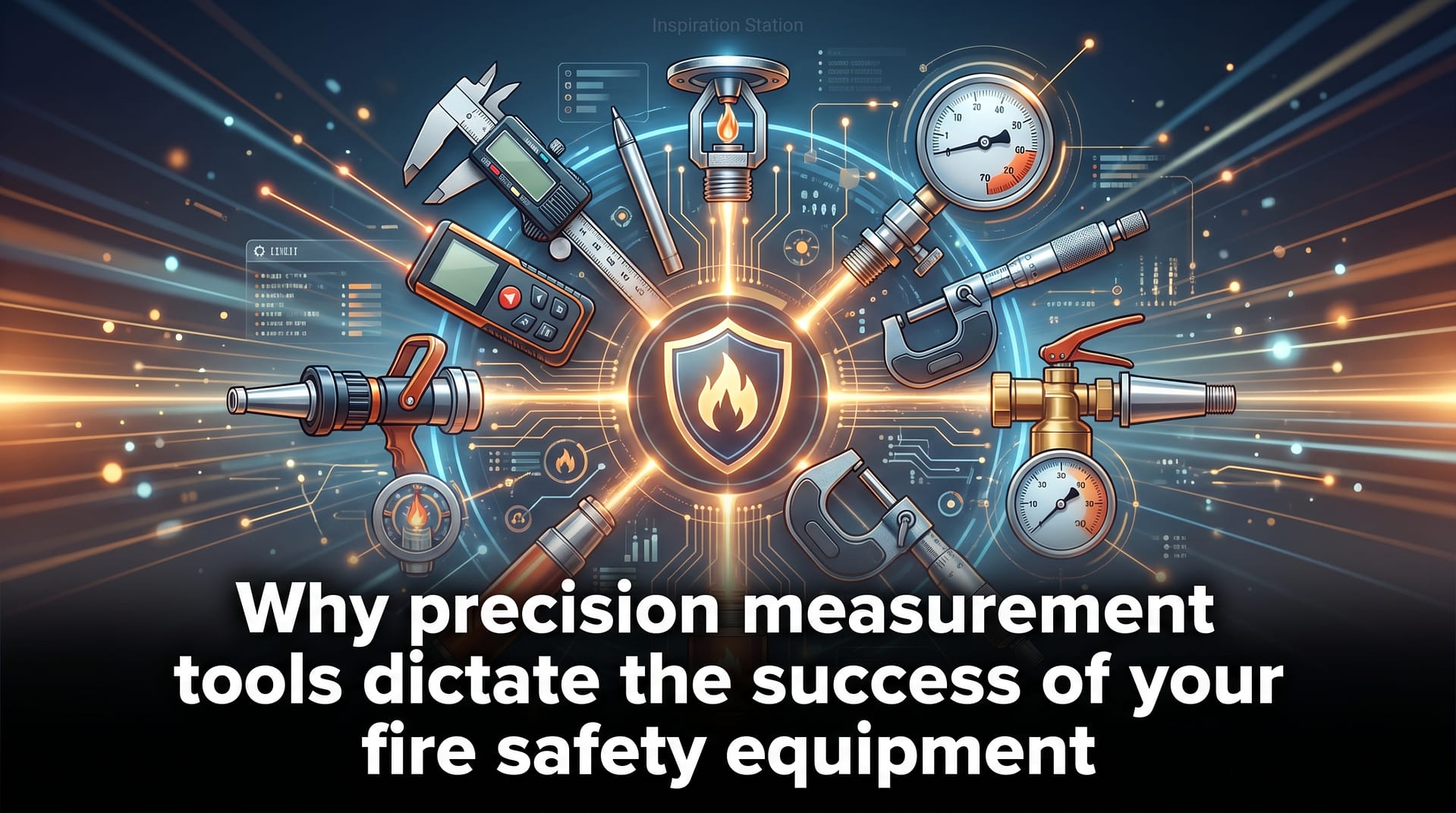
The critical role of measurement accuracy in modern building safety regulations
Precision inspection and measurement tools are essential devices used by professionals to verify the strict placement and operational readiness of fire safety equipment. By utilizing advanced laser measurers and thermal cameras, designers ensure exact compliance with updated 2026 building codes, minimizing potential hazards and maximizing occupant security in both residential and commercial projects.
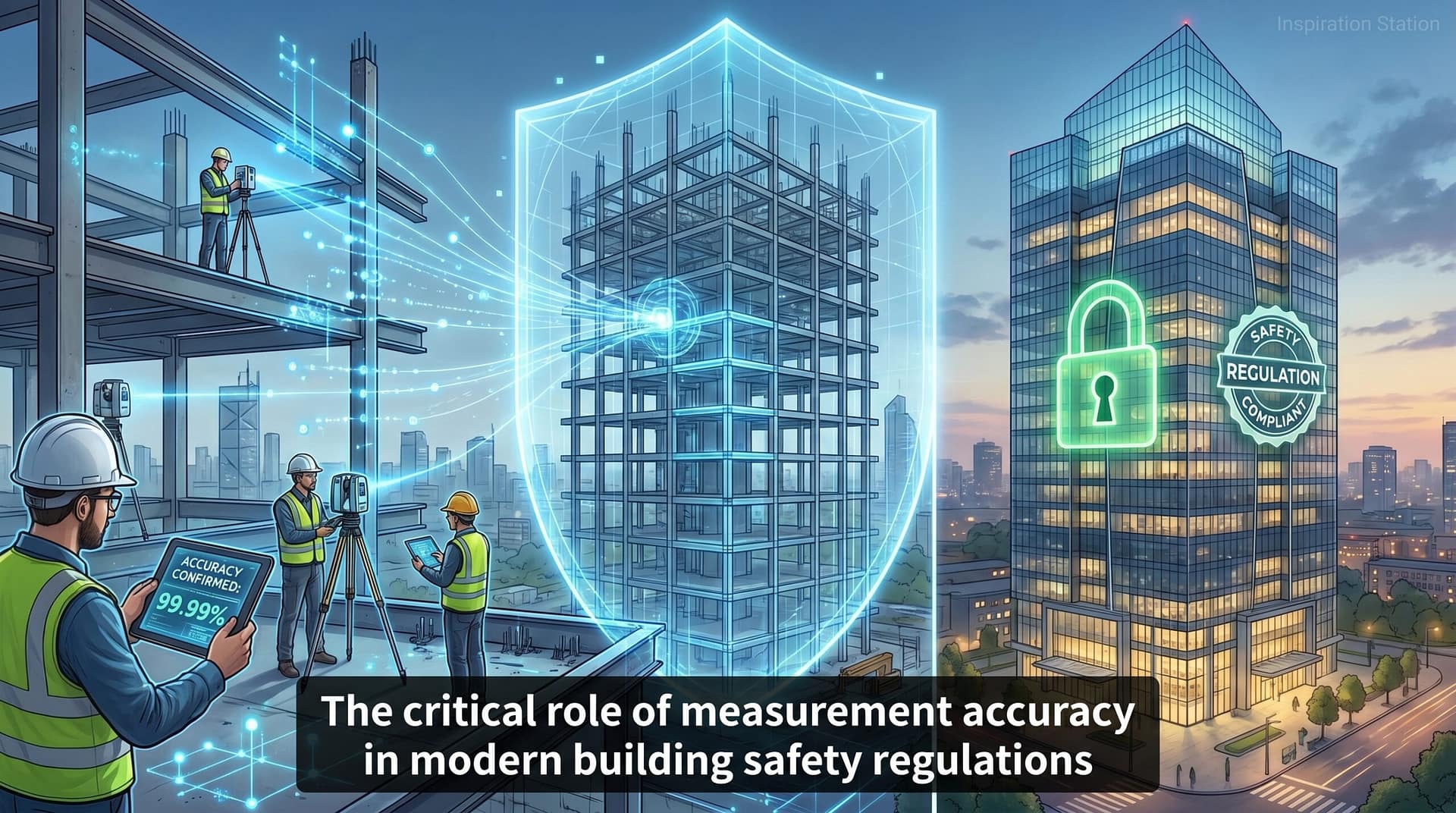
In the fast-evolving landscape of modern interior design and architectural planning, relying on estimations or outdated measuring techniques is simply no longer acceptable. The stringent 2026 global building regulations demand an unprecedented level of accuracy from every contractor, architect, and decorator. Whether you are installing complex sprinkler grids or positioning basic smoke alarms, even a minor deviation of a few millimeters can render the entire setup completely ineffective during a genuine emergency. These regulations were not created arbitrarily; they are born from decades of analyzing why safety systems fail when people need them the most.
“According to the International Code Council’s 2026 structural compliance report, over forty percent of active defense system failures result directly from improper spatial configuration rather than mechanical or electrical defects.”
This staggering statistic highlights exactly why investing in high-quality inspection instruments is absolutely non-negotiable for anyone involved in building modification. You cannot design a truly beautiful space unless it is fundamentally secure. By incorporating digital measuring technologies into the earliest phases of space planning, designers can seamlessly integrate safety features without compromising their aesthetic vision. The integration of fire safety equipment relies heavily on understanding volumetric space, airflow dynamics, and structural clearances—metrics that can only be accurately gathered using specialized diagnostic hardware.
My personal journey evaluating reliable inspection tools for renovation projects
My professional transition toward utilizing advanced measurement technology began when I shifted from merely upcycling vintage furniture pieces to undertaking full-scale residential remodels. I quickly realized that taking down walls and rewiring old lighting fixtures exposed a whole new layer of responsibility. I needed to purchase professional-grade gear that could accurately assess the environment before installing any new fire safety equipment. Relying on an old, bent tape measure was no longer cutting it, especially when dealing with the strict clearance zones required for modern emergency suppression units.
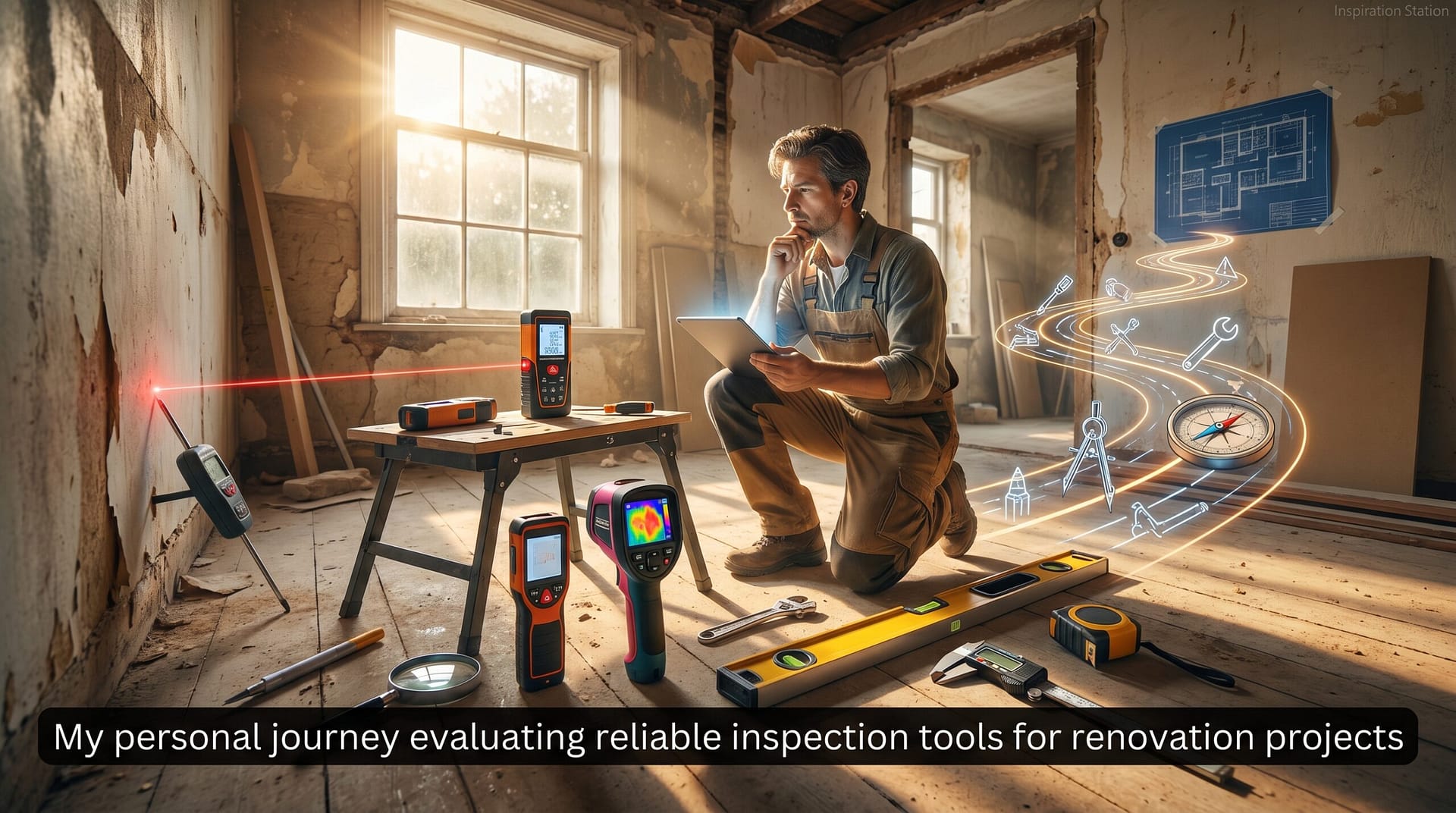
When I first started shopping for professional measurement devices, the industrial market felt incredibly overwhelming. I spent weeks actively comparing specifications, reading dense technical manuals, and attending hardware conventions to see the tools in action. I desperately wanted tools that offered the absolute best return on financial investment without compromising on the industrial-grade accuracy demanded by local housing authorities. It was crucial to balance affordability with rugged durability, as construction sites are notoriously harsh environments for delicate electronics.
During my evaluation process, I learned a very expensive lesson regarding budget constraints. I initially purchased a deeply discounted digital scanner from an unknown brand to save project funds. Within three weeks, the device suffered from severe internal sensor drift, leading me to miscalculate the ceiling height for a vital heat detector installation. The subsequent failed municipal inspection cost me tenfold what I originally saved. From that moment forward, I prioritized purchasing proven, highly rated measurement tools, analyzing their long-term cost efficiency, and verifying their digital reliability through independent testing certifications.
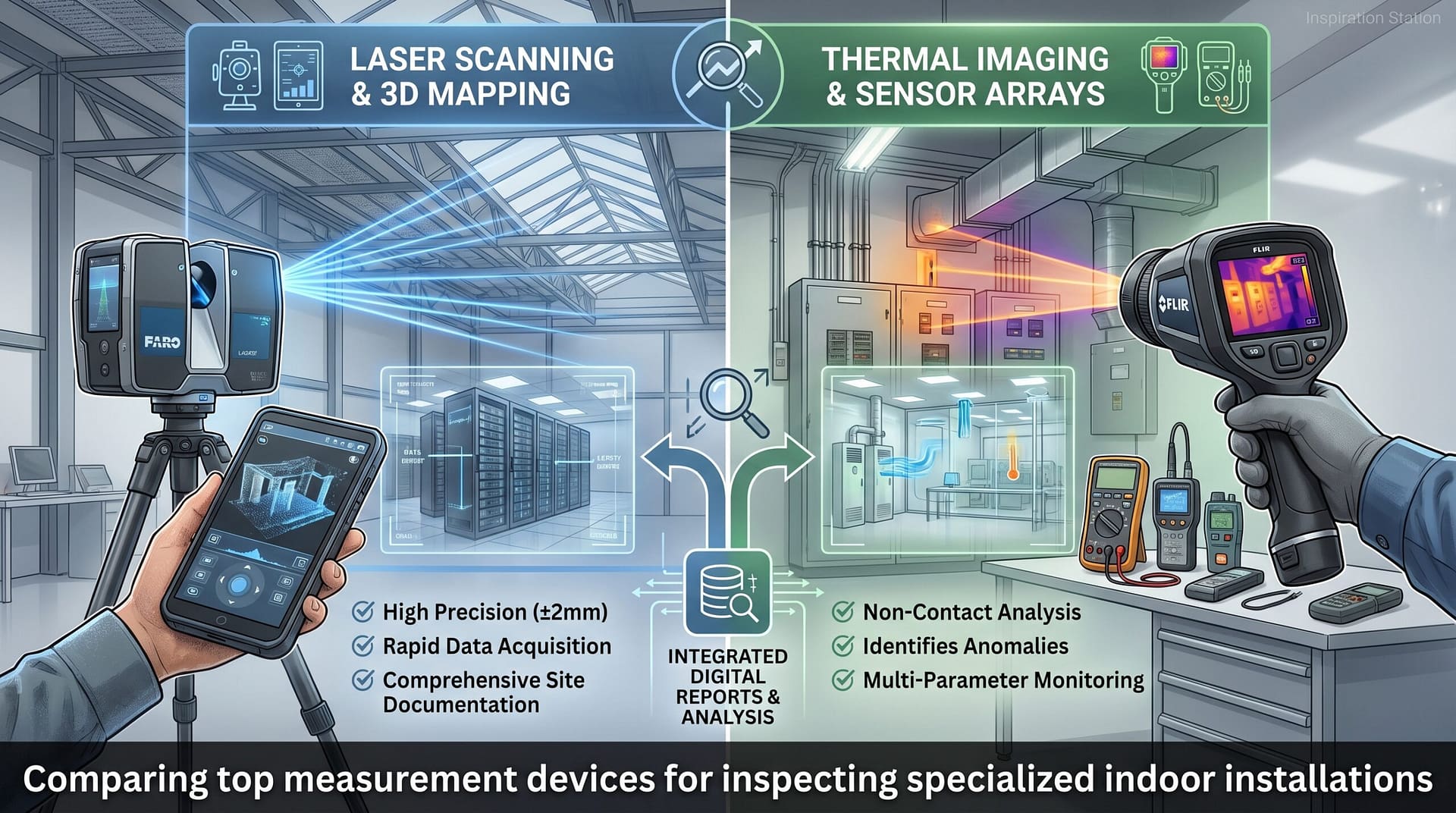
Comparing top measurement devices for inspecting specialized indoor installations
Making an informed purchasing decision in 2026 requires a highly methodical approach to comparing hardware. You cannot simply buy the first heavily marketed gadget you see on a supplier’s website. To help you navigate this complex market, I have compiled a detailed comparison of the three primary tool categories I personally use on a daily basis. This breakdown specifically evaluates retail price, functional accuracy, and real-world efficiency to clarify the subtle differences between these essential technologies.
| Measurement Tool Category | 2026 Average Price (USD) | Accuracy Rating (Max 10) | Key Pros & Cons | When to Choose This Option |
|---|---|---|---|---|
| High-Precision Laser Measurer | $150 – $350 | 9.5/10 | Pros: Instant millimeter accuracy over huge distances. Cons: Difficult to view laser dot outdoors in bright sunlight. | Best for calculating exact room dimensions and ceiling heights for alarm and sprinkler placement. |
| Compact Thermal Camera | $400 – $850 | 8.5/10 | Pros: Non-invasive detection of hidden heat anomalies. Cons: High initial cost and requires training to read signatures. | Ideal for scanning electrical panels and wall cavities before mounting heavy fixtures or safety gear. |
| Smart Digital Caliper | $40 – $120 | 10/10 | Pros: Absolute precision for small components. Cons: Extremely limited range (usually under 8 inches). | Perfect for verifying pipe diameters and specialized mounting bracket tolerances. |
When reviewing this comparative data, notice how each specialized device serves a completely unique function within the broader scope of safety compliance. You would never use a digital caliper to map the square footage of a grand living room, just as you would not rely on a simple laser pointer to detect a dangerous short circuit hiding behind drywall. My professional advice is to build your toolkit gradually, actively prioritizing the specific instrument that addresses your most frequent and urgent onsite challenges.
How laser distance measurers ensure optimal placement for emergency detection systems
The physical geometry of a room drastically alters the flow of toxic smoke and rising heat during an emergency event. To effectively position your mandated fire safety equipment, you must accurately account for ceiling pitches, exposed structural beams, and architectural dead air spaces where smoke struggles to penetrate. A standard physical tape measure inevitably sags, bends, and twists over long distances, introducing entirely unacceptable margins of error into your safety calculations.
Transitioning to an advanced laser distance scanner completely changes the efficiency of your interior mapping workflow. The technology utilizes focused light pulses to instantly calculate distances, areas, and even complex volumetric spaces with extreme precision. Here is the strict methodological process I follow when analyzing a newly constructed living space for safety installations:
- Determine the exact apex of vaulted or cathedral ceilings to establish the absolute highest potential collection point for noxious, rising gases.
- Measure a strict horizontal distance of exactly four inches away from the intersecting sidewall to completely avoid stagnant dead air pockets where alarms fail to trigger.
- Scan the surrounding ceiling area to guarantee that no decorative lighting fixtures or exposed structural beams block the intended dispersion pattern of ceiling-mounted suppression systems.
- Continuously verify that the vertical drop height aligns seamlessly with the manufacturer’s operational specifications to prevent delayed sensor activation.
By strictly adhering to these precise steps, I can confidently guarantee that every smoke alarm and carbon monoxide sensor is optimally positioned. Taking the guesswork out of the equation ensures that the detection network will activate at the earliest possible fraction of a second, providing occupants with the maximum amount of time to evacuate safely.
Advanced thermal imaging cameras for identifying hidden electrical hazards behind walls
While traditional alarms and physical extinguishers are designed to react rapidly to an active crisis, thermal inspection tools empower you to proactively eliminate the source of a threat before spontaneous combustion ever occurs. During a recent historic home restoration project, I was tasked with installing a heavily modified, floor-to-ceiling vintage bookcase against a primary load-bearing partition. The intended aesthetics were absolutely perfect, but I desperately needed to be certain the underlying, decades-old electrical infrastructure was stable enough to handle the modern lighting I was integrating.
I utilized my high-resolution thermal scanner to thoroughly evaluate the enclosed wall cavity before drilling a single hole. Modern 2026 thermal models offer incredible diagnostic features that drastically simplify this preventative process. When you are shopping for one of these specialized cameras, you must pay close attention to several crucial capabilities to ensure you are getting a professional-grade tool:
- Enhanced thermal sensitivity capable of consistently detecting minor surface temperature variances as small as 0.05 degrees Celsius.
- Integrated wireless cloud connectivity for instantly capturing and sharing infrared anomaly imagery with licensed, off-site electricians.
- Dynamic color palette overlays that help users quickly differentiate between cold drafts from poor insulation and dangerous active heat sources.
- An extended lithium-ion battery life that easily supports rigorous, all-day onsite property inspections without demanding constant tethering to a charger.
During my inspection of that vintage property, the infrared scan revealed a dangerously overheated electrical junction box hidden directly behind the wood paneling, completely invisible to the naked eye. If I had proceeded blindly without conducting this vital thermal assessment, the added electrical load could have easily ignited a catastrophic structural fire.
Essential calibration practices to maintain reliability in your specialized testing gear
Establishing proper maintenance routines for your digital instruments represents the final, ongoing responsibility of any dedicated design professional. Merely owning highly expensive measurement hardware means absolutely nothing if you casually allow the delicate internal sensors to degrade over time. Extreme environmental temperature fluctuations, physical impacts from accidental onsite drops, and general electronic aging can all introduce microscopic, yet highly consequential, inaccuracies into your readings.
If your core measurement tools are quietly uncalibrated, your subsequent spatial calculations will be inherently flawed. Consequently, the physical placement of your critical fire safety equipment will unknowingly violate strict municipal compliance codes, creating a false sense of security for the building’s occupants. I strongly recommend establishing and strictly adhering to a rigid, documented maintenance schedule for every digital tool in your inventory.
For standard daily-use laser measurers, I perform a rapid baseline test against a known, permanently fixed distance in my workshop on the first Monday of every single month. If I ever detect a variance greater than one single millimeter, I immediately package the unit and send it back to the original manufacturer for certified factory realignment. Thermal cameras demand even more specialized care, frequently requiring advanced software recalibration to perfectly adjust their sensitive infrared lenses. You must never ignore digital maintenance warnings when they appear on your device’s interface. Treating your diagnostic tools with the utmost respect ensures they will consistently output the flawless data necessary to keep your design environments structurally secure.
คำถามที่พบบ่อย
Why is a laser measurer better than a traditional tape measure for safety inspections?
A laser measurer eliminates physical sagging over long distances, providing the exact millimeter accuracy required by 2026 building codes for placing emergency systems.
How often should I calibrate my digital inspection tools?
Professionals should test their tools against a known baseline monthly and send them for official factory recalibration at least once a year.
Can a thermal imaging camera see completely through solid concrete walls?
No, thermal cameras detect surface temperature variances caused by underlying issues, such as overheated wiring or missing insulation, rather than providing x-ray vision.
What is the most important specification to look for when buying a thermal camera?
Thermal sensitivity is crucial; you want a device capable of detecting temperature shifts as small as 0.05 degrees Celsius to identify minor electrical faults early.