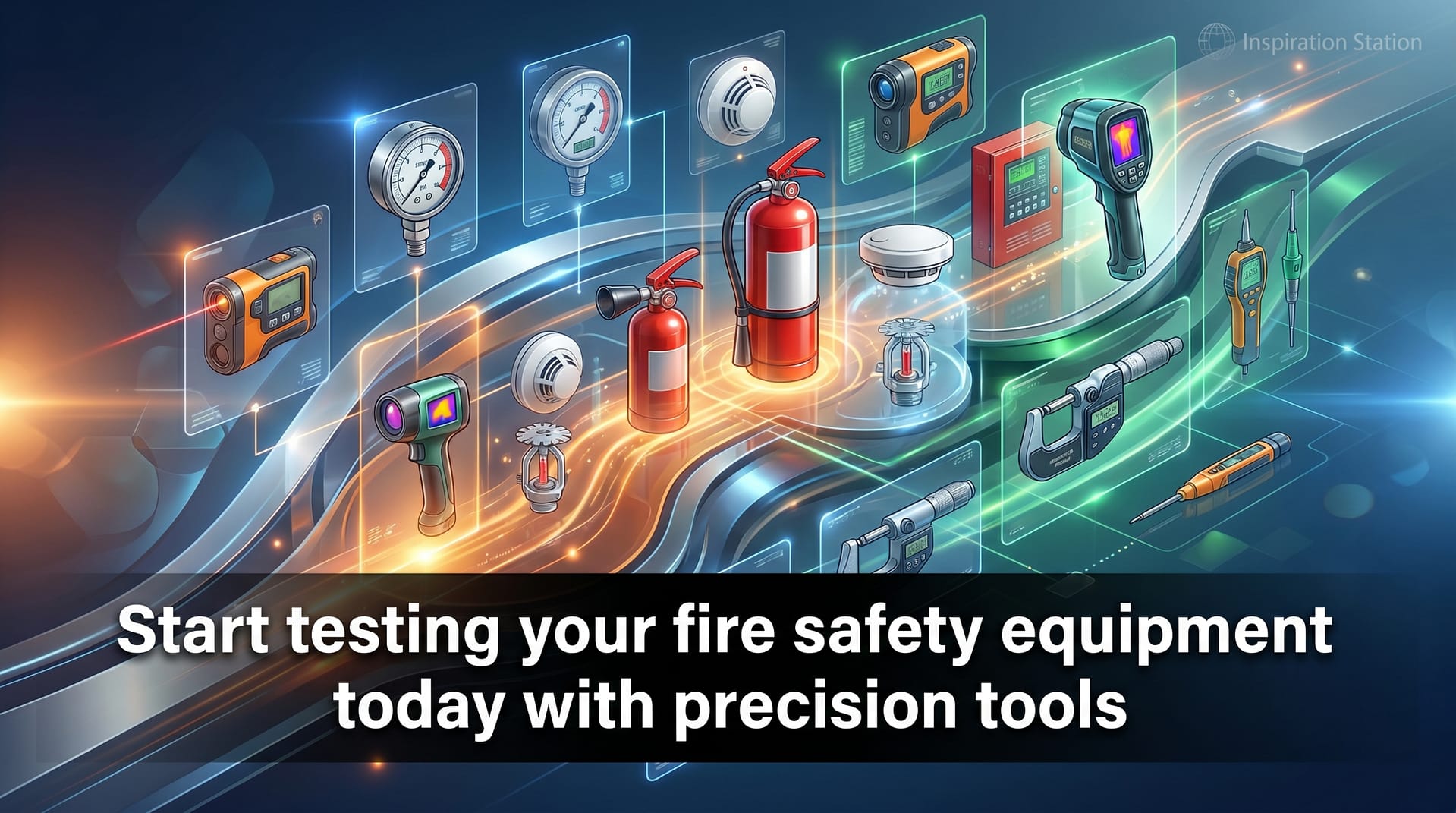
Proper inspection and measurement tools are the only guaranteed way to verify that your home systems and fire safety equipment will function during an emergency. By utilizing precise diagnostic devices, everyday homeowners can detect hidden electrical faults and pressure drops before they trigger devastating household disasters.
I’m Liam, and transitioning from a commercial site foreman to a full-time DIY blogger taught me one brutal truth. Eyeballing a problem is a massive risk. Whether you are building a skyscraper or just maintaining a suburban house, precision is everything. Far too many first-time homeowners assume their safety devices are working simply because they are plugged into the wall. As of early 2026, modern building standards require significantly more vigilance from homeowners. We are seeing a massive shift toward advanced diagnostics. Today, I am going to share my personal experience evaluating various diagnostic tools, comparing their prices, efficiency, and overall value. I will not give you vague advice. I am going to tell you exactly what you should and should not buy to keep your property perfectly secure.
Why proper measurement tools dictate your home survival chances
During my years managing heavy construction sites, we never relied on guesswork. Every single beam and wire was verified using calibrated inspection and measurement tools. When you transition to homeownership, that rigorous mindset should not disappear. The structural integrity and safety of your house depend entirely on your ability to spot deviations before they escalate into catastrophes.
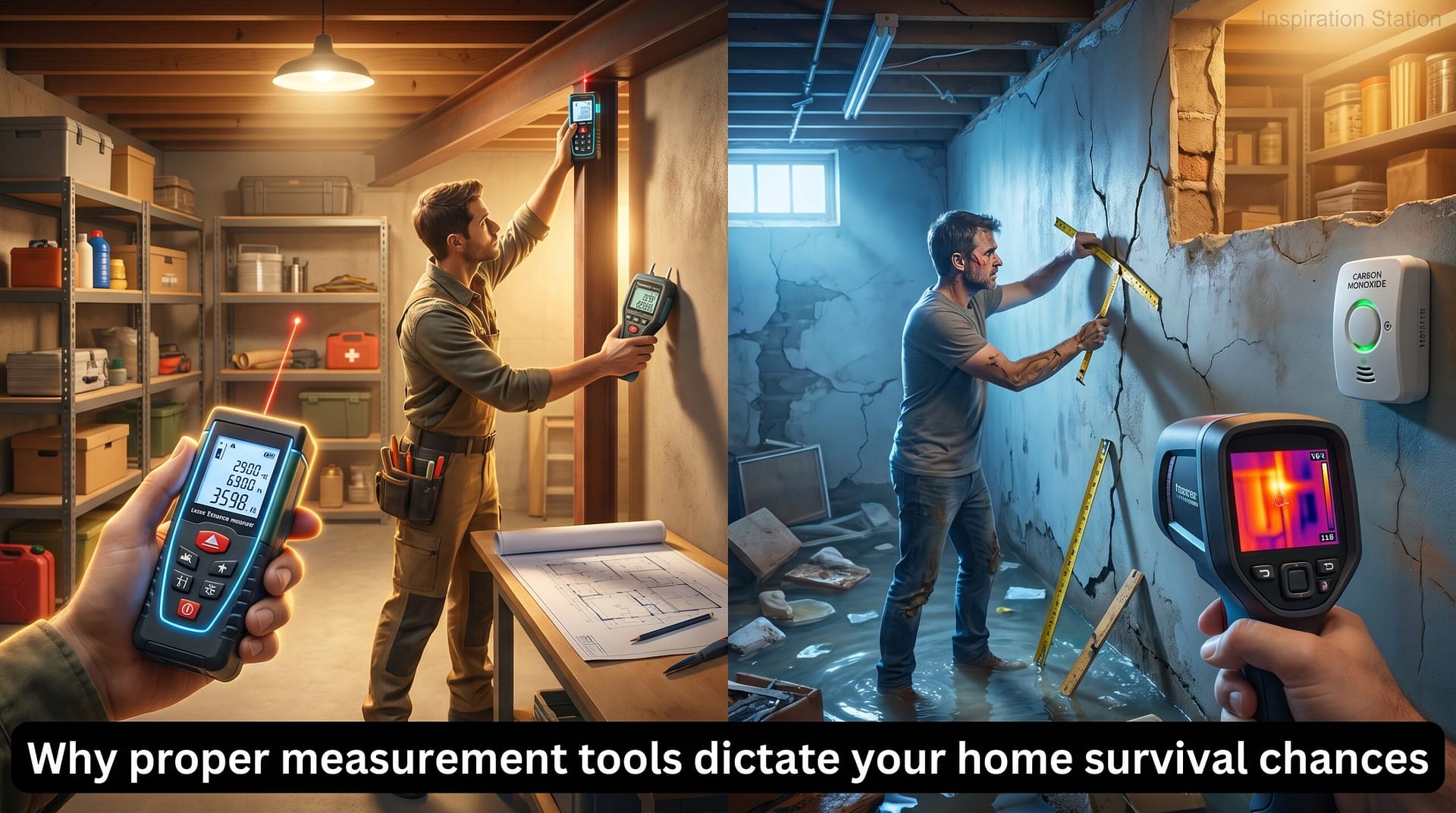
Many people hesitate to buy specialized measurement devices because they feel these gadgets belong in a professional laboratory. That is a dangerous misconception. In 2026, the consumer market is flooded with highly accurate, user-friendly tools designed specifically for the average homeowner. However, not all tools are created equal. You must distinguish between novelty items and genuine diagnostic instruments.
According to the 2026 Global Home Diagnostics Report, properties maintained using digital measurement tools experience a staggering forty percent fewer catastrophic electrical failures compared to homes relying solely on visual inspections.
When you are weighing the cost of a high-quality tool against a budget alternative, you are really calculating the price of your peace of mind. A deviation of just a few volts in an electrical reading, or a slight drop in pressure, can be the difference between a minor repair and a total loss. Therefore, you should absolutely avoid buying unbranded tools from discount websites. Investing an extra fifty dollars upfront on a reputable brand guarantees reliable results, reduces false positives, and ensures compliance with current industry regulations.
Choosing smart inspection tools for your fire safety equipment
Let us talk about the most critical defensive layer in your house. Your fire safety equipment is completely useless if it fails to activate at the exact moment a threat emerges. Most homeowners simply press the test button on their smoke alarms and walk away satisfied. Unfortunately, that button only tests the battery and the horn, not the actual sensor’s ability to detect smoke particles.
Evaluating digital sensitivity readers
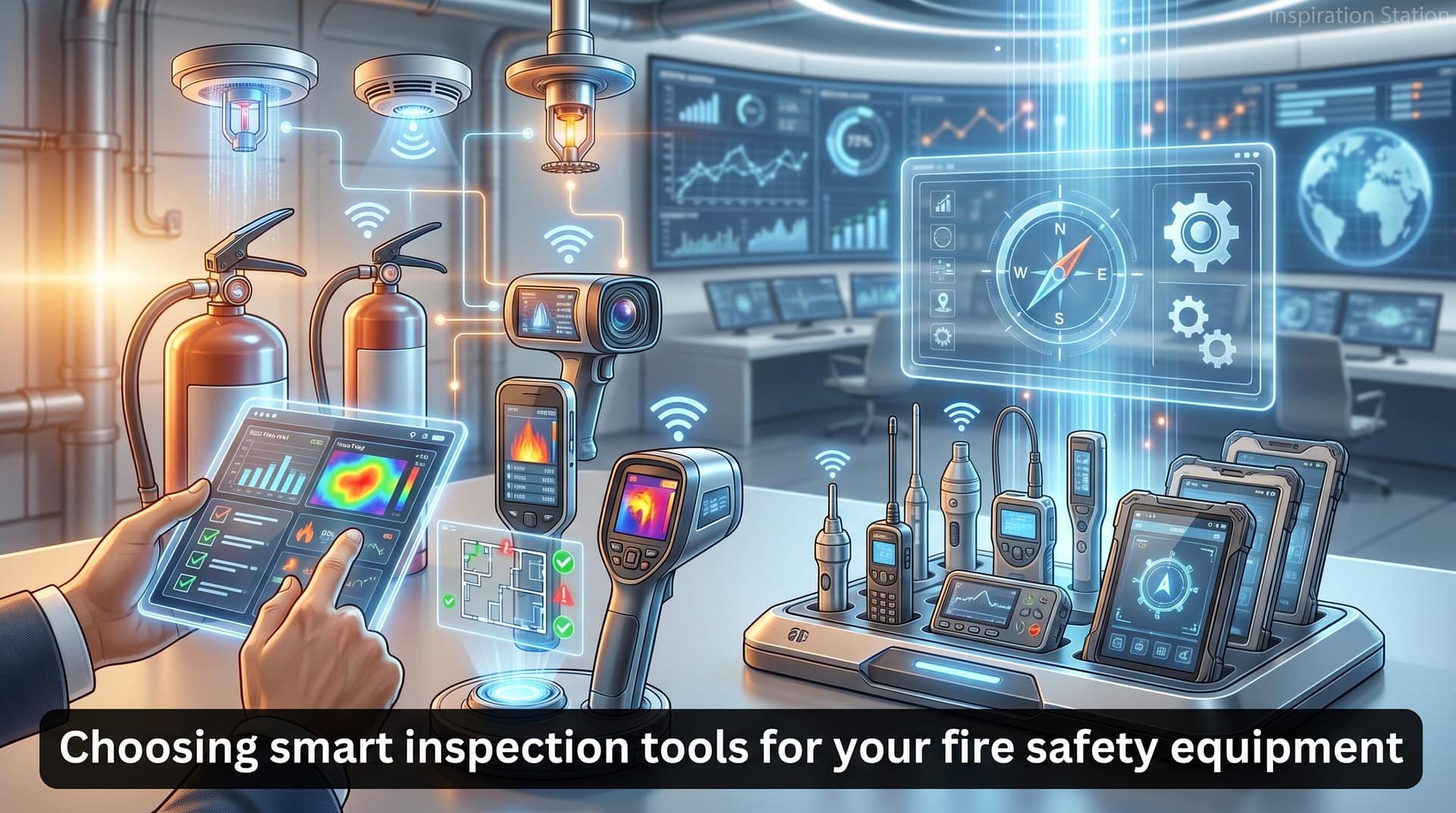
To truly verify your alarms, you need proper inspection tools. Currently, you have two main choices on the market: traditional aerosol smoke testers and the newer digital sensitivity readers. Aerosol cans cost about fifteen dollars and provide a simple pass or fail result. On the other hand, the new digital sensitivity scanners, which hit the market heavily in 2026, cost around eighty dollars. These smart scanners connect directly to your smartphone and provide an exact measurement of the sensor’s degradation over time.
Here is my decisive verdict: You should invest in the digital sensitivity scanner if your home has more than five hardwired detectors. The efficiency and long-term cost savings are undeniable. While the aerosol sprays run out quickly and leave a sticky residue, the digital scanner gives you a precise readout, telling you exactly how many months of life your sensor has left. This allows you to plan your maintenance schedule perfectly and avoid those infuriating 3 AM low-battery chirps.
The truth about cheap multimeters for electrical prevention
Electrical malfunctions remain a leading cause of residential disasters. If you are going to perform any routine maintenance around your house, a digital multimeter is non-negotiable. This measurement tool checks voltage, current, and resistance, helping you identify overloaded circuits and degraded wiring long before they start sparking.
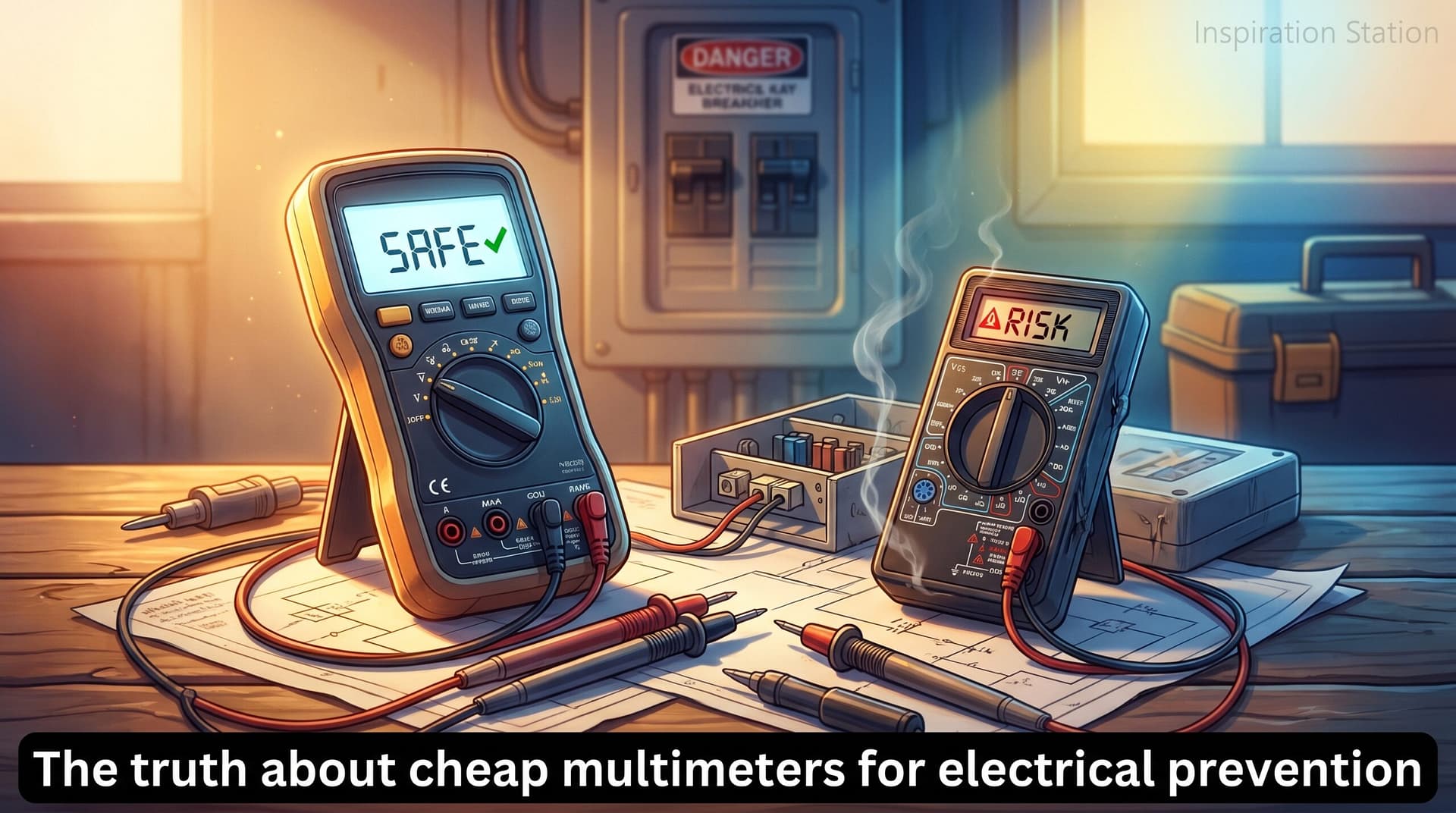
When I walk into a hardware store today, I see basic multimeters selling for as low as twelve dollars. Right next to them are professional-grade models priced between ninety and one hundred and fifty dollars. The budget models boast the same features on the packaging, which makes the cheaper option look incredibly tempting. However, from my personal experience on job sites, those cheap meters are a severe hazard.
- Inaccurate AC voltage readings: Cheap meters often use inferior internal components that lose calibration within months.
- Poor build quality: They lack proper internal fuses, meaning a sudden power surge could cause the device to explode in your hands.
- Slow response times: Budget tools take too long to register continuity, leading to frustrating troubleshooting sessions.
You absolutely should not buy a bottom-tier multimeter. I highly recommend spending at least sixty dollars on a reputable brand with a True-RMS feature. True-RMS ensures your voltage readings are perfectly accurate even when dealing with modern LED lighting and complex electronics. The reliability and safety provided by a quality multimeter make it the single most important inspection tool in your toolbox.
Thermal imaging cameras you should actually buy for home inspection
Ten years ago, thermal imaging technology was exclusively reserved for elite engineering sectors and wealthy contractors. Today, it is an accessible and vital part of routine home maintenance. A thermal camera acts as an incredible diagnostic instrument, allowing you to visually detect heat anomalies behind solid walls. This is how you spot overheating breakers, missing insulation, and hidden moisture leaks.
The current market offers two distinct paths: standalone pistol-grip thermal cameras and compact smartphone attachments. The standalone units still command prices upwards of four hundred dollars. Meanwhile, the 2026 generation of smartphone thermal attachments delivers incredible HD thermal resolution for roughly two hundred dollars. I have tested both extensively across various home repair projects.
For the everyday homeowner, you should purchase the smartphone attachment. The value proposition is simply unbeatable. You get professional-grade temperature measurement capabilities powered by your phone’s processor. I recently used one of these attachments to scan my kitchen walls and instantly identified an overheating electrical socket that was dangerously close to catching fire. It is an extraordinary piece of preventative technology that pays for itself the very first time you uncover a hidden defect.
Essential pressure gauges to verify your extinguisher readiness
Having fire extinguishers scattered around your property is a great start, but are you actually verifying their internal pressure? Extinguishers slowly lose their charge over the years, even if they have never been fired. When you suddenly need to suppress a grease fire, a depressurized canister will leave you completely defenseless. Inspecting this critical piece of fire safety equipment requires more than just a passing glance.
Most commercial extinguishers come with a small built-in dial. However, these analog dials are notoriously prone to sticking. As a former foreman, I have seen dozens of extinguishers that read as fully charged on their built-in dial, but failed completely during mandatory safety audits. If you are serious about maintaining your home defenses, you need a standalone digital pressure gauge adapter.
- Precision: Digital gauges measure pressure down to the exact PSI, leaving no room for interpretation.
- Durability: High-quality gauges are built with corrosion-resistant materials that last for decades.
- Consistency: They eliminate the mechanical failures common in cheap built-in analog dials.
You absolutely should integrate a dedicated pressure measurement tool into your bi-annual maintenance routine. While hiring a professional inspector costs around seventy dollars per visit, buying a reliable digital gauge adapter costs approximately fifty dollars once. You gain the ability to accurately validate the specifications of your suppression tools whenever you want, ensuring your household is never caught off guard.
Smart gas leak detectors that spot hazards before they ignite
Combustible gases and volatile organic compounds present an invisible, odorless threat that traditional smoke alarms simply cannot catch. Detecting minor gas leaks near your stove, water heater, or furnace requires highly sensitive measurement instruments. In the past, we relied heavily on soapy water to find leaks, a primitive method that only works if you already know exactly where to look.
Modern smart gas detectors have revolutionized home inspections. These handheld wands feature highly sensitive sniffer probes that measure the exact concentration of combustible gases in the air. You can find basic pen-style detectors for about thirty dollars, and advanced digital units with parts-per-million readouts for around eighty dollars.
Based on my extensive testing, you should bypass the cheap pen-style detectors and invest in the advanced digital units. The cheap models only alert you when gas levels are already dangerously high. The advanced digital inspection tools can detect microscopic deviations in air quality, allowing you to pinpoint a loose valve weeks before it becomes a volatile hazard. Investing in quality inspection equipment like a premium gas sniffer improves your troubleshooting efficiency and drastically minimizes the risk of catastrophic events in your home.
คำถามที่พบบ่อย
How often should I calibrate my home inspection tools?
You should calibrate digital measurement tools at least once a year. Regular calibration ensures your readings remain accurate and reliable when testing critical home safety systems.
Are smartphone thermal cameras accurate enough for home use?
Yes, modern smartphone thermal attachments released in 2026 offer excellent resolution for homeowners. They are perfectly capable of identifying overheating electrical circuits and insulation leaks.
Can I use a cheap multimeter for testing main electrical panels?
You absolutely should not use unbranded cheap multimeters for high-voltage testing. Always invest in a highly rated, safety-certified meter to avoid the risk of electrical shock or false readings.