Upgrading your bathroom fixtures directly improves daily comfort and home value. Bathroom showers and matching accessories transform a basic space into a personal spa. Selecting the right faucets, sinks, and showerheads ensures long term durability, optimal water efficiency, and a modern aesthetic that fits your renovation budget perfectly. I’m Marcus, a licensed contractor, and I am going to walk you through exactly how to tackle this upgrade like a professional.
Understanding the core components of modern bathroom fixtures
Before you start ripping out tiles and unscrewing pipes, you need to understand the basic anatomy of modern bathroom plumbing. The industry has changed drastically, especially with the updated 2026 building codes that focus heavily on water conservation and energy efficiency. Knowing the correct terminology will save you time, money, and a lot of frustration when you are standing in the plumbing aisle of your local hardware store.
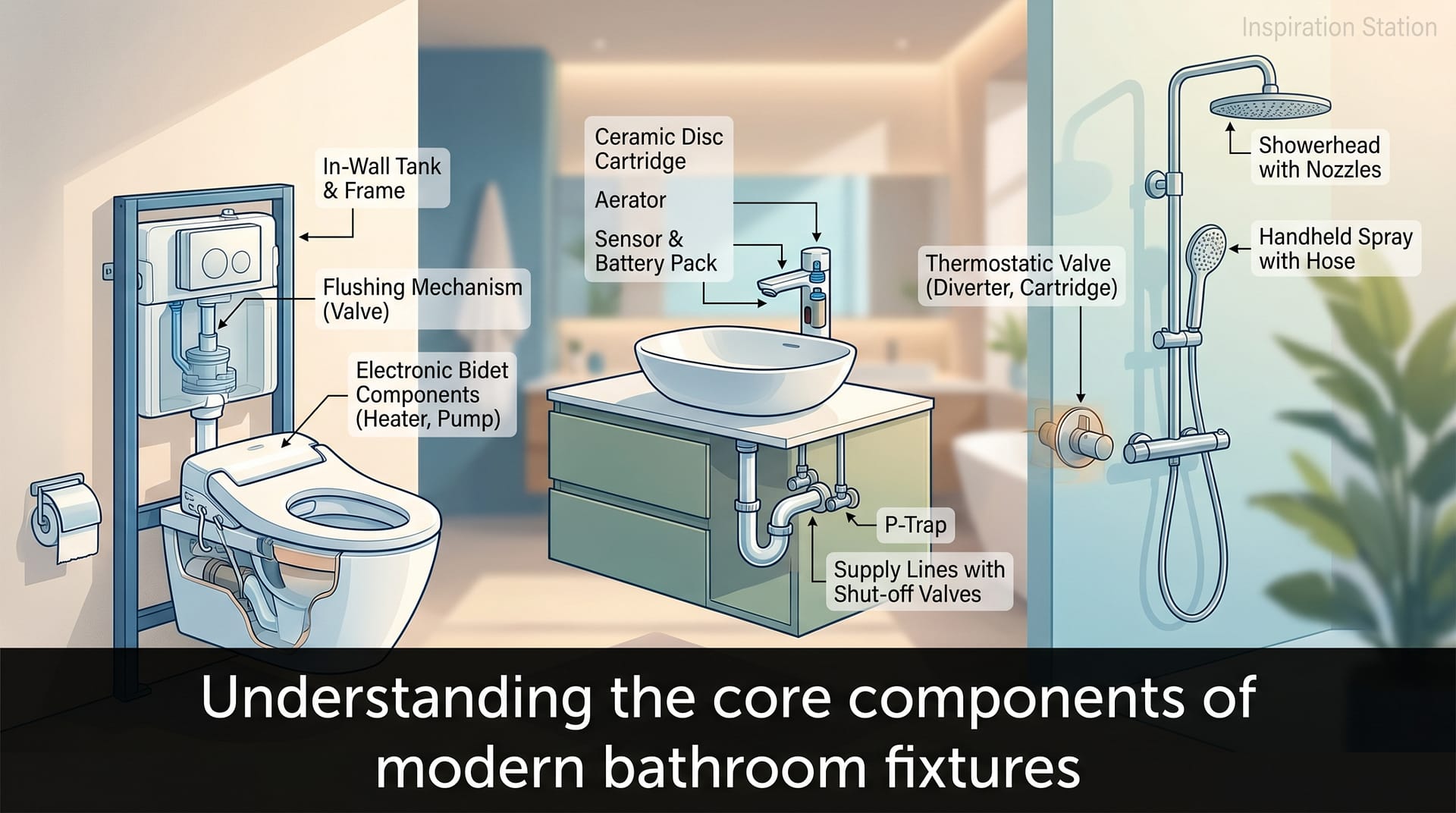
First, let us talk about the Flow rate. This is simply the measurement of how much water comes out of your fixture, usually measured in Gallons Per Minute or GPM. As of 2026, the strict new EPA guidelines require most new residential fixtures to operate at a maximum of 1.5 GPM. To achieve this without sacrificing pressure, manufacturers use an Aerator, which is a small screen mechanism at the tip of the faucet that mixes air into the water stream, making it feel full and powerful while actually using less water.
You should also look for the WaterSense label. Think of this as the energy star rating but for water. Products carrying this certification are guaranteed to be at least 20 percent more efficient than standard models. Additionally, behind every great faucet is a solid Rough in valve. This is the brass internal plumbing component hidden inside the wall that actually controls the water mix. Most homeowners make the mistake of buying a beautiful external trim kit, only to realize it does not fit the existing rough-in valve inside their wall.
My personal experience replacing outdated plumbing fixtures
Over the last decade of tearing apart residential bathrooms, I have seen every DIY disaster you can imagine. Just last month, I took on a master bathroom renovation for a client who had tried to upgrade their bathroom showers on their own. They bought a cheap, imported shower kit online because the price looked unbeatable. Unfortunately, they did not realize that the internal components were made of cheap plastic rather than solid brass.
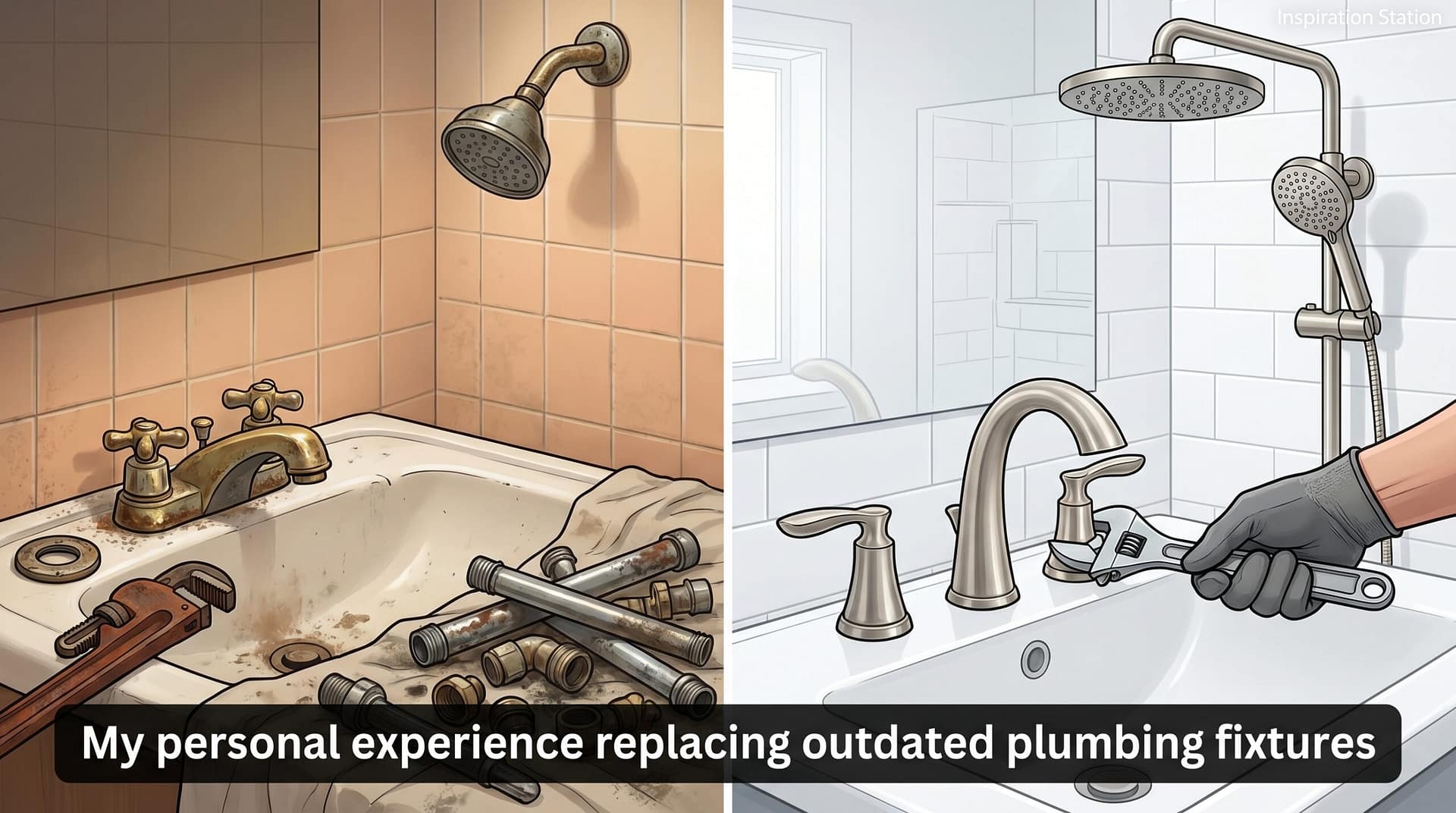
When I opened up the wall, I had to explain to them what an Escutcheon is. The escutcheon is the decorative metal plate that covers the hole in the wall where the pipe comes out. Their cheap escutcheon had rusted within six months because it lacked a proper protective coating. Furthermore, their Diverter valve—the mechanism you pull or turn to switch the water flow from the bathtub spout up to the showerhead—was completely jammed. Never cut corners on moving parts.
This job reminded me why I always advocate for spending a little extra on the functional parts you cannot see. When you buy a trusted brand, the O ring seals (the tiny rubber rings that prevent leaks between connected pipes) are made of high grade silicone that will not degrade. I ended up replacing their entire setup, ensuring the new pipes were properly secured to the framing so the walls would not vibrate every time they turned the water on.
How to choose the perfect shower head for your daily routine
Choosing the right fixture for your daily wash is highly personal. With the massive variety of showers available on the market in 2026, you are no longer limited to the tiny, sputtering wall mounted heads of the past. Let us break down the popular options so you can find the perfect match for your specific morning routine.

If you love a luxurious, spa like experience, you might want to look into a Rainhead. This is a wide, flat showerhead installed directly overhead that drops water straight down, simulating gentle rainfall. However, they require decent water pressure to function well. If you have kids or pets, a Handheld shower is absolutely essential. These come attached to a flexible hose, allowing you to direct the spray exactly where you need it, making cleaning the tub a breeze.
For the ultimate comfort, you must invest in a Thermostatic valve. Unlike standard valves that just mix hot and cold water based on pressure, a thermostatic valve actually senses the water temperature and keeps it perfectly stable. This means if someone flushes a toilet elsewhere in the house, you will not get blasted with scalding hot or freezing cold water. It acts as an automatic Anti scald device, which is a mandatory safety feature in many modernized 2026 housing codes.
Comparing costs and performance of popular fixture materials
When you are staring at a wall of shiny fixtures, it is easy to get overwhelmed. The finish you choose impacts not only the aesthetic of your bathroom but also the maintenance routine and the longevity of the hardware. Let us look at the latest 2026 market data to compare the most popular materials.
One critical term you need to know here is PVD coating, which stands for Physical Vapor Deposition. It is a high tech vacuum coating process that bonds the finish to the metal at a molecular level, making it incredibly resistant to scratches, tarnishing, and corrosion. Always check if your premium finish is PVD treated.
| Finish Material | Average Cost (2026) | Durability Level | Maintenance & Cleaning |
|---|---|---|---|
| Polished Chrome | $150 – $300 | High | High (Shows fingerprints) |
| Brushed Nickel | $250 – $450 | Very High | Low (Hides water spots) |
| Matte Black | $350 – $600 | Medium | High (Hard water damages finish) |
| PVD Brushed Gold | $500 – $900 | Extreme | Low (Resists tarnishing perfectly) |
As you can see, Chrome remains the most budget friendly option and is incredibly durable, but you will be wiping it down constantly. Matte Black continues to be a huge design trend this year, but beware if you have hard water, as the mineral buildup will permanently stain the dark finish over time. For the best return on investment, Brushed Nickel remains the king of practicality and enduring style.
Step by step installation tips for weekend DIY warriors
If you are reasonably handy, swapping out surface level fixtures is a great weekend project. However, you must follow the correct order of operations to avoid flooding your house. Before you touch a single wrench, locate your main water shutoff valve. I cannot stress this enough; never trust the old shutoff valves under the sink without testing them first.
- Prep the threads: Always clean the pipe threads thoroughly. Apply Teflon tape (a thin white tape used to seal pipe threads) by wrapping it clockwise around the pipe three times. This ensures a watertight seal when you screw on the new fixture.
- Install the flange: The Flange is the base plate that mounts the shower arm securely to the wall. Make sure it sits flush against the tile.
- Attach the showerhead: Hand tighten the new head onto the taped arm, then use an adjustable wrench to give it one final quarter turn. Wrap a rag around the metal before using the wrench so you do not scratch your brand new finish.
- Check the drainage: While you are working, inspect the Shower pan (the waterproof base floor of the shower) for any cracks. Ensure your P trap (the curved plumbing pipe under the drain that holds water to block sewer gases from entering your home) is clear of hair and debris.
“According to the 2026 National Home Remodeling Report, homeowners who correctly install their own surface plumbing fixtures save an average of $650 in labor costs, allowing them to reinvest that money into higher quality brass materials.”
Taking your time during installation is the secret to a professional looking finish. If something feels like it is cross threading or resisting too much, stop immediately, unscrew it, and try again. Forcing a connection is the fastest way to destroy expensive plumbing.
Final thoughts on maximizing bathroom value without breaking the bank
At the end of the day, renovating your bathroom does not require gutting the entire room to see a massive improvement. By simply upgrading your showers, faucets, and cabinet hardware to cohesive, modern finishes, you can completely revitalize the space. Focus your budget on the parts you touch every single day.
Remember to prioritize internal build quality over external flashiness. A solid brass rough in valve combined with a reliable thermostatic control will outlast any cheap plastic alternative by decades. Utilizing current innovations like WaterSense technology will also steadily decrease your monthly utility bills throughout 2026 and beyond.
Whether you are planning to sell your home soon or just want a better start to your mornings, investing in high quality bathroom fixtures is one of the smartest decisions you can make. Do your research, understand the terminology, and do not be afraid to tackle those minor installations yourself. With the right preparation, you can achieve a high end contractor look on a DIY budget.